Industrial Design Isn’t Just About Looks — It’s About Line Strategy
Industrial Design Importance
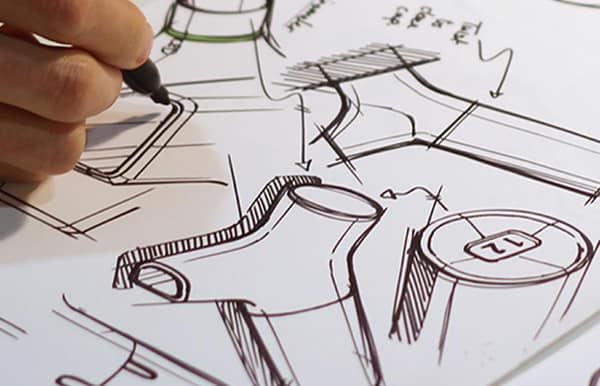
When people hear industrial design, they often think aesthetics. Color. Shape. Style. That’s a mistake.
Industrial design is one of the most powerful strategic tools you have when creating or updating products within an existing line. When done well, it doesn’t just make products look better—it makes the entire portfolio work better.
I’ve seen firsthand that the most successful product lines aren’t the ones with the most features. They’re the ones that feel intentional, cohesive, and clearly tiered.
Design Is How Customers Understand a Product Line
Most customers don’t read spec sheets. They scan shelves, scroll listings, and make decisions in seconds. Industrial design does the heavy lifting by:
Signaling good / better / best without a single word
Creating visual consistency that builds brand trust
Helping customers instantly understand where a product fits in the lineup
If every SKU looks different, customers hesitate. If everything looks the same, they trade down. Design is what prevents both.
Line Updates Are Where Design Matters Most
Updating a product inside an established line is harder than launching something new. You’re not just solving a functional problem—you’re navigating:
Backward compatibility
Existing customer expectations
Channel price fences
Internal SKU complexity
This is where industrial design becomes a constraint solver, not a styling exercise.
Smart design updates can:
Introduce cost reduction without signaling “cheap”
Modernize a product without orphaning older models
Differentiate SKUs using form, materials, and proportions—not just features
Poorly executed updates, on the other hand, create confusion, cannibalization, and brand erosion.
Design Drives Operational Efficiency
This part doesn’t get talked about enough. Thoughtful industrial design can enable:
Shared components across models
Family certifications instead of one-off approvals
Simplified packaging and logistics
Faster development cycles for future line extensions
In other words, design decisions upstream directly impact cost, speed, and scalability downstream.
Industrial Design Is a Business Discipline
The best industrial designers I’ve worked with understand margins, tooling, certifications, and manufacturing realities. They don’t just ask, “What should this look like?” They ask, “How does this product need to behave within the line?” That mindset is what separates cosmetic refreshes from strategic line evolution.
Design is how products speak. Design is how lines stay coherent. Design is how brands scale without breaking. And when you’re updating or extending a product line, industrial design isn’t optional—it’s foundational.
hashtag